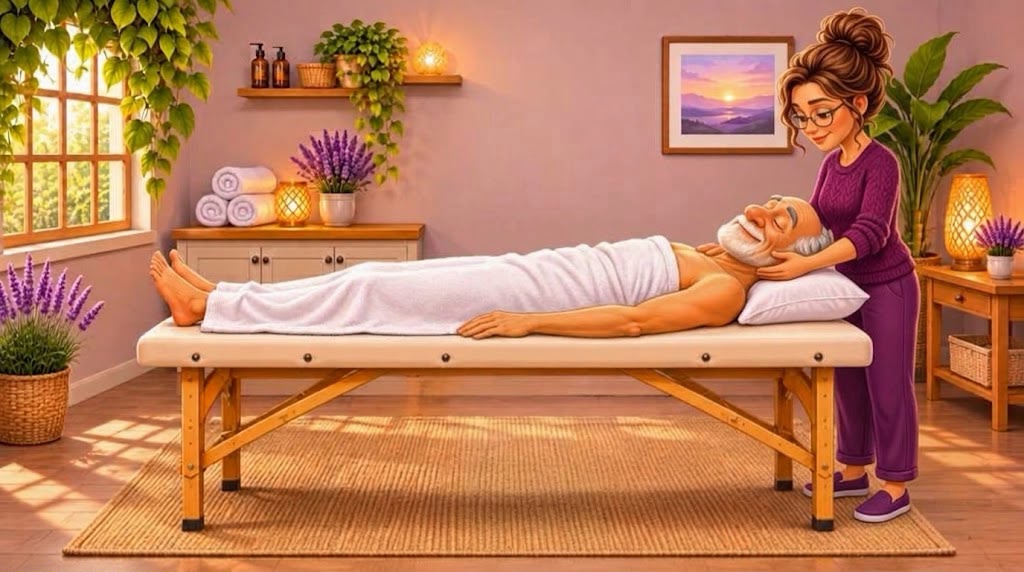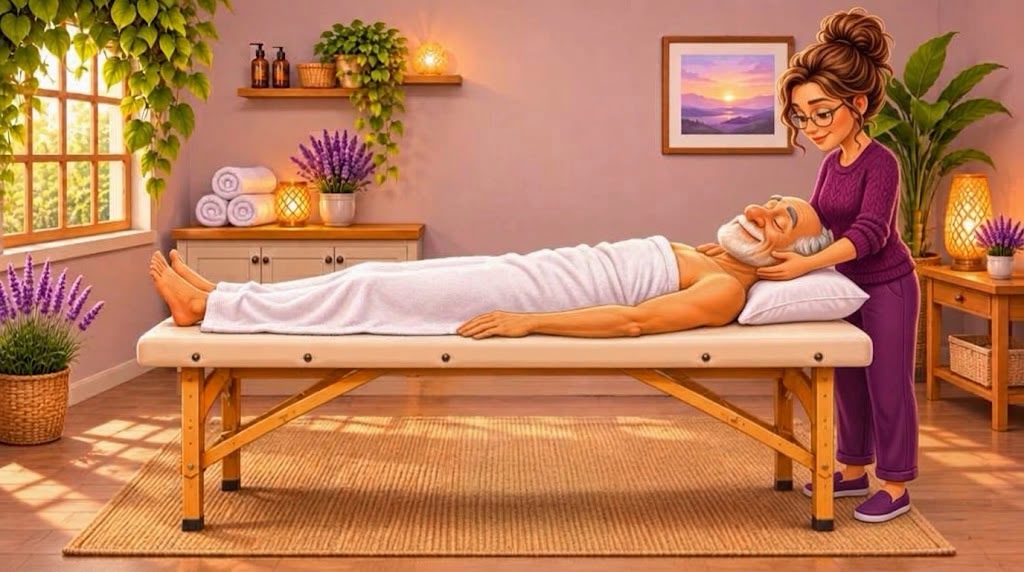
How do you know which treatment your body really needs — and could choosing the wrong one do more harm than good?
Dunes & Dreams | Health & Wellness
Your back is aching. Your knees are stiff. Your shoulders feel as though you’ve been carrying bags of cement around all day.
Perhaps you’ve developed swollen ankles, your hips are uncomfortable after a round of golf, or your neck is protesting after a long cycle.
You decide it’s time to do something about it.
So, you open a massage website.
And suddenly you’re faced with a menu.
Swedish massage. Deep tissue. Sports massage. Therapeutic massage. Lymphatic drainage. Craniosacral therapy. Trigger-point work. Assisted stretching.
Where on earth do you begin?
Do you choose the cheapest? The longest session? The one with the most impressive name?
Or perhaps you assume that if something really hurts, you need the deepest, strongest massage available.
But what if you’re choosing the wrong treatment?
And, more importantly, what if your symptoms are telling you something that massage cannot fix?
These are questions worth asking before climbing onto the massage table.
—
Think about it.
When your knee aches, it doesn’t announce that it requires a particular form of massage.
When your shoulders tighten after eight hours behind a computer, they don’t tell you whether they need relaxation massage or sports therapy.
And when your ankles begin swelling, they certainly don’t explain whether the problem involves fluid retention, circulation, medication or a medical condition.
All you know is that something feels wrong.
Yet we often expect people with no clinical or therapeutic training to select a treatment from a list.
Perhaps we’re approaching this backwards.
Instead of asking, “Which massage would you like?”, shouldn’t the first question be:
“What’s bothering you, and what are you hoping to improve?”
That simple change makes room for a much more personalised and responsible approach.
—
Let’s start with the familiar one.
Relaxation massage is generally designed to promote calm, ease ordinary muscle tension and create a sense of physical wellbeing.
It may be appropriate when you experience:
– General stress and physical tension – Tight shoulders after a demanding week – Muscular fatigue – Difficulty unwinding – Mild stiffness associated with everyday activity – A desire for gentle, calming touch
A relaxation session usually involves comfortable pressure and flowing movements.
For many people, that is exactly what they need.
But here’s the important distinction: A pleasant relaxation massage is not necessarily an appropriate treatment for an injury, unexplained swelling or a significant medical condition.
And choosing relaxation massage when you actually need medical attention may delay identifying the real problem.
—
Imagine you’ve spent the week driving between meetings.
Your neck is stiff, your upper back feels tight, and there’s a familiar knot around your shoulder blade.
Or perhaps your lower back aches whenever you’ve been sitting for too long.
You don’t necessarily need a full-body relaxation routine.
You may benefit from treatment focused on the particular muscles and areas causing discomfort.
Common reasons people enquire about targeted massage include:
– Stiff neck and shoulders – Upper-back muscular tension – Lower-back muscular discomfort – Tightness between the shoulder blades – Muscular tension around the hips – Tight calves and thighs – Postural muscle fatigue – Tension associated with prolonged sitting or driving
An appropriately trained massage therapist may select techniques and pressure suited to the individual, rather than treating every client in exactly the same way.
Research suggests massage can sometimes provide short-term relief for certain forms of back, neck and joint-related pain, although the quality of evidence varies.
Importantly, massage does not establish the underlying cause of pain or correct every structural problem.
A persistent problem needs more than someone simply pressing harder on the sore spot.
—
You finish eighteen holes of golf and your back complains all evening.
You return from a mountain bike ride and your neck and shoulders feel as though they’ve done more work than your legs.
Or you decide to start walking regularly, only to discover muscles you haven’t thought about in years.
Welcome to the world of recreational exercise.
Sports massage isn’t reserved for professional athletes.
It may be useful for people who enjoy:
– Golf – Mountain biking – Road cycling – Walking and hiking – Running – Gym training – Gardening and other physically demanding activities – Post-exercise muscle soreness – Tight calves and thighs – Shoulder tension after cycling – Muscular discomfort after golf – Tight hips after prolonged activity – General muscular fatigue – Short-term recovery comfort
Sports-focused massage may reduce the perception of soreness in some people and support relaxation during recovery.
But it doesn’t repair a torn ligament, heal a fractured bone or correct an underlying joint injury.
And a painful shoulder after golf isn’t automatically a muscle problem.
Sometimes the most useful advice isn’t another massage. It’s a referral to a physiotherapist or doctor.
—
There’s a surprisingly common belief that the harder a massage hurts, the more effective it must be.
Some people even judge their treatment by how sore they feel afterwards.
But pain is not proof that a technique is working.
Deep-tissue massage uses firmer, more focused pressure to work with deeper layers of soft tissue.
It may be appropriate for certain muscular complaints, provided the person is properly screened and the techniques are suitable.
However, it isn’t necessarily superior to gentler treatment.
For some clients, particularly older adults or people with certain medical conditions, excessive pressure can be inappropriate.
Potential concerns include:
– Significant bruising – Aggravation of an existing injury – Increased discomfort – Injury to vulnerable tissue – Rare but serious complications in susceptible individuals
People with osteoporosis, bleeding disorders or those taking blood-thinning medication may need special precautions or an alternative approach.
The best massage is not the one that hurts the most. It’s the one that is appropriate for your body.
—
Now let’s consider a completely different complaint.
Your ankles look puffy.
Your shoes feel tighter than usual.
Your legs feel heavy by the end of the day.
Or perhaps you’ve experienced swelling following surgery.
Your first thought might be that you need a massage to help move the fluid.
But swelling is one of the most important symptoms to understand before choosing any form of bodywork.
Swelling can have many possible causes, including:
– Prolonged sitting or standing – Venous circulation problems – Medication side effects – Injury – Infection – Heart or kidney conditions – Problems involving the lymphatic system – Certain post-operative complications
The correct approach depends on the underlying cause.
Manual Lymphatic Drainage, commonly called MLD, is a specialised form of very gentle hands-on treatment used in selected circumstances to assist lymphatic fluid movement.
It is quite different from conventional or deep-tissue massage.
For people with diagnosed lymphoedema, specialised lymphatic techniques may be included in a broader treatment programme alongside compression, exercise and skin care.
Lymphoedema is a condition in which impaired lymphatic drainage causes fluid to accumulate in tissues.
MLD is not a universal solution for swollen ankles, nor is it a cure for lymphoedema.
Lipoedema is a different condition involving abnormal, often painful fat accumulation, usually affecting the legs and sometimes the arms.
Selected gentle treatments may support symptom comfort, especially when lymphatic swelling is also present. However, massage cannot remove the abnormal fatty tissue.
Some post-operative patients may benefit from specialist fluid-management treatment, but only when it is appropriate to the procedure, healing stage and medical circumstances.
Not everyone who has had surgery needs lymphatic drainage.
The most important rule is simple: unexplained swelling should be medically assessed before anyone attempts to massage it away.
—
As we grow older, the things that matter to us often become remarkably simple.
Being able to walk comfortably.
Getting out of a chair without feeling stiff.
Enjoying the garden.
Playing with grandchildren.
Still being able to play golf, travel or take a walk with friends.
Yet older adults often live with several physical concerns at once.
These might include:
– Arthritic knees – Stiff hips – Lower-back discomfort – Tight calves – Reduced flexibility – Shoulder tension – Muscular fatigue – Tender feet – Sensitivity to pressure – General stiffness after inactivity
For appropriately selected clients, gentle massage may provide temporary comfort, relaxation and relief from muscle tension.
Assisted stretching, when suitable, may also support comfortable movement.
But massage is not a replacement for strengthening exercises, balance training, physiotherapy or medical care.
And an older person’s medical history is especially important.
Someone with osteoporosis may need very gentle handling.
A person taking anticoagulants may bruise more easily.
Someone with reduced sensation may not immediately realise that too much pressure is being applied.
A person living with significant frailty may require an entirely different approach from a healthy, active retiree.
This is why senior wellbeing should never be treated as simply a standard massage performed on an older body.
Ageing deserves understanding, not assumptions.
—
Not every discomfort begins with a sporting activity or an injury.
Sometimes it starts with life itself.
Deadlines. Family responsibilities. Financial worries. Long hours. Poor sleep.
Many people experience physical tension alongside emotional stress.
Typical complaints may include:
– Tight shoulders – Neck tension – Jaw clenching – Muscular discomfort associated with prolonged computer use – Difficulty relaxing – Restlessness – General physical tension
A gentle massage may provide relaxation and temporary relief from muscular tightness.
But persistent headaches, severe jaw pain or significant sleep problems deserve proper assessment.
The temporomandibular joints, or TMJs, connect your jaw to your skull.
Temporomandibular disorders, known as TMD, can cause pain involving the jaw joint and surrounding muscles.
Conservative approaches may include gentle exercises, avoiding aggravating habits and, where appropriate, manual techniques delivered by suitably trained practitioners.
Persistent jaw locking, pain or dental symptoms should be assessed by a dentist, doctor or appropriately qualified clinician.
Craniosacral therapy is a light-touch approach sometimes marketed for relaxation and various physical complaints.
Some people find this style of touch calming, but research has not established reliable clinical benefits for many of the medical conditions it is claimed to treat.
It should not replace evidence-based treatment for neurological, spinal or other medical problems.
—
Here’s something worth thinking about.
When you take your car to a mechanic because it makes a strange noise, you don’t simply ask them to tighten every bolt.
You expect them to investigate what might be wrong.
Your body deserves at least as much consideration.
There are excellent therapists working independently, in spas and in massage chains. The price of a treatment does not, by itself, establish the quality or safety of the practitioner.
But if you have a particular physical complaint, choosing someone with appropriate training and experience becomes especially important.
A responsible therapist should ask questions before starting treatment.
Questions such as:
– Where is the discomfort? – When did it begin? – Is it improving or worsening? – Was there a recent injury? – Have you had surgery? – Do you have any diagnosed medical conditions? – Are you taking medication? – Have you noticed swelling, numbness or unusual weakness? – Have you previously received treatment for the problem?
The answers help determine whether massage may be appropriate, whether techniques should be modified or whether medical advice is required first.
A massage therapist should not diagnose medical conditions unless separately qualified to do so.
But appropriately trained therapists should understand warning signs, contraindications and the limits of their professional scope.
Because professional judgement includes knowing when not to treat.
—
Yes, in certain circumstances.
Massage is generally considered low risk when appropriately provided, but it is not entirely without potential harm.
Let’s look at some real-world situations.
—
A person develops pain, warmth and swelling in one calf.
They assume their muscles are tight and book a strong leg massage.
But those symptoms could indicate deep vein thrombosis — a blood clot.
This requires urgent medical assessment.
Massage should not be performed on a suspected clot. If the person also experiences chest pain or breathlessness, emergency medical care is required.
—
A client has fragile bones but requests a vigorous deep-tissue massage.
Excessive pressure could increase the risk of injury or fracture.
Appropriate screening and gentler techniques are essential.
—
Certain medications increase bruising or bleeding risk.
Forceful massage may be unsuitable and should not be performed without proper consideration of the person’s medical circumstances.
—
A golfer feels a sharp pain during a swing and assumes a sports massage will resolve it.
But the injury could involve a muscle tear, ligament, joint or another structure requiring medical assessment.
Aggressive work on an acute injury could worsen the situation.
—
Someone notices persistent swelling of both ankles.
They assume the problem involves the lymphatic system.
But swelling may also be related to medication, circulation, kidney or heart conditions.
Specialist fluid-management techniques are not automatically appropriate.
—
After an operation, someone books a massage because they feel tight and uncomfortable.
But the area may still be healing, and certain techniques could interfere with recovery or aggravate complications.
The treating medical team should advise on when specialist bodywork can safely begin.
These examples are not intended to frighten anyone away from massage.
They demonstrate why a health history, appropriate screening and a willingness to refer clients matter.
—
This may sound like a strange thing for a wellness article to say.
But it is one of the most important messages in this discussion.
Imagine visiting a therapist for persistent back pain.
During your conversation, you mention that you’ve also developed numbness or weakness in your leg.
A responsible therapist should recognise that further medical assessment may be necessary.
Or perhaps you arrive with a newly swollen, painful leg.
Instead of beginning treatment, the practitioner recommends urgent medical evaluation.
Or you’re recovering from surgery, and the therapist explains that treatment should wait until your surgeon has confirmed that it is appropriate.
That isn’t poor customer service.
That’s responsible professional care.
A therapist’s job is not to provide hands-on treatment at any cost.
It is to work safely, within their qualifications, and recognise when another healthcare professional is better placed to help.
—
Perhaps the answer is that you shouldn’t have to make that decision entirely on your own.
Instead of choosing a treatment based only on its name, begin by describing your symptoms and goals.
For example:
“My back aches after golf.”
A suitable starting point might be sports-focused massage, provided there are no warning signs suggesting injury or another medical problem.
“My neck and shoulders are always tight after work.”
A relaxation or targeted massage might provide short-term comfort.
“My knees are stiff and I’m finding walking uncomfortable.”
Gentle massage may help with associated muscular tension, but persistent knee problems may require assessment, exercise therapy or rehabilitation.
“My legs are swollen.”
The cause needs to be understood before deciding whether any manual treatment is suitable.
“I feel stressed and physically tense.”
A gentle relaxation treatment may be a useful way to unwind.
“I’ve had surgery and want to reduce swelling.”
Medical clearance and a practitioner with the appropriate specialist training may be needed.
The right approach is not necessarily one single massage technique.
It may involve adapting several suitable techniques, changing treatment intensity, working alongside another healthcare professional or deciding that massage is not appropriate.
—
At Dunes & Dreams, we believe that genuine wellbeing begins with listening.
And sometimes the person we need to listen to first is ourselves.
Through Hands of Wellness and Kinetic Flow in Centurion, we are exploring a more personal approach to helping people understand their bodywork needs.
Rather than expecting every customer to select a treatment from a menu, the idea is to begin with a few simple questions.
Where are you uncomfortable?
What activities make it worse?
How long has it been bothering you?
Do you have any medical conditions that could affect treatment?
What would you most like to improve?
The answers would help start a conversation with Nicky about appropriate wellness options, subject to her professional qualifications, treatment scope and individual safety screening.
And where a concern appears to require medical care, the appropriate next step would be a referral rather than another massage.
We’re calling this concept:
Tell Nicky Where It Hurts
The aim is simple.
Less guessing. More listening. More personalised care.
Because nobody should have to understand every massage technique before asking for help with their own comfort and wellbeing.
—
We are considering introducing a short, easy-to-use online questionnaire to help people describe their discomfort before making a booking.
Not a medical diagnosis.
Not an automated prescription for massage.
Simply a starting point for a more informed conversation.
We would love to hear your thoughts.
Would you find it helpful if a therapist asked about your discomfort and health history before recommending a treatment?
Have you ever booked a massage without really knowing which type you needed?
Would you feel more confident knowing that your therapist could advise you to seek medical attention rather than proceed with treatment?
Your feedback will help us understand whether this kind of personalised approach would be valuable to our community.
—
Nicky | Hands of Wellness & Kinetic Flow
Centurion, Gauteng
WhatsApp: 076 157 2207
Website: www.kineticflow.co.za
Website: www.handsofwellness.co.za
—
Important health information: This article is intended for general education and wellness awareness. It is not medical advice or a diagnostic tool. Massage and specialised manual therapies are not substitutes for appropriate medical assessment, diagnosis or treatment. Not all techniques are suitable for every person, and specialised treatments require relevant professional training.
Dunes & Dreams | Health & Wellness
Because feeling better begins with understanding what your body needs.